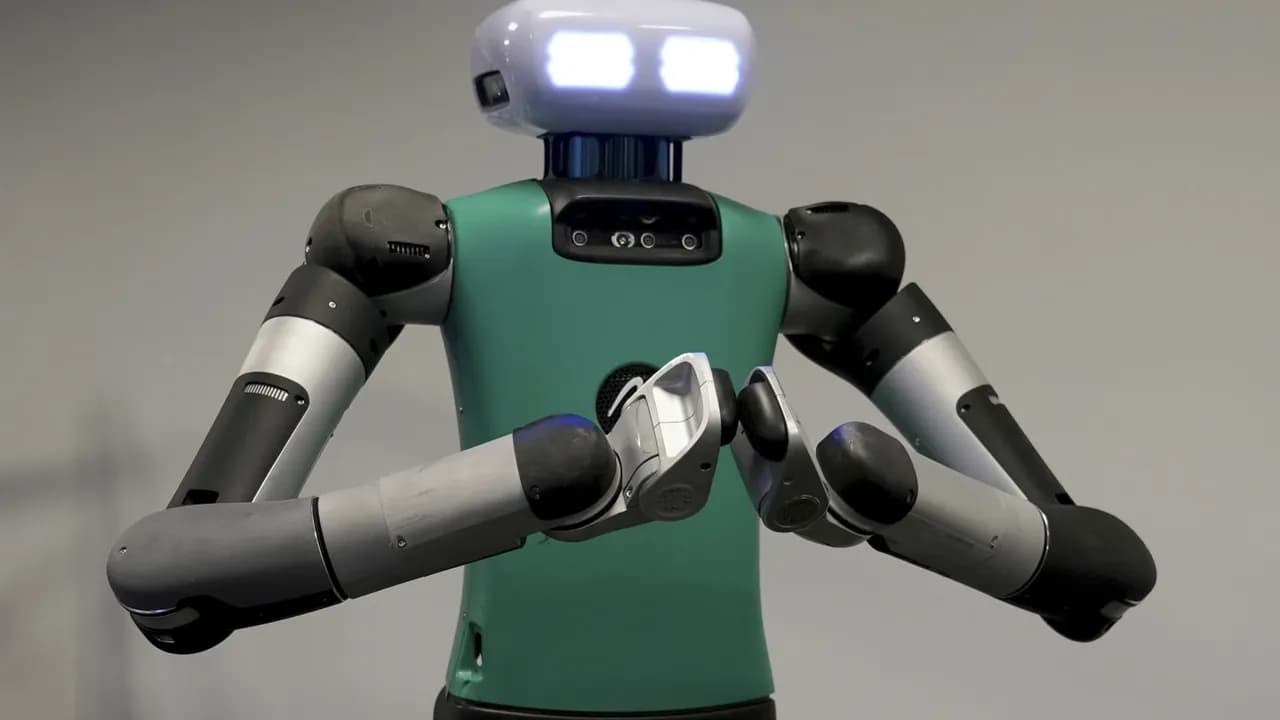
Constructing a robot that seamlessly integrates into human environments while serving practical purposes has been an enduring engineering aspiration influenced by popular science fiction. Despite the recent surge in artificial intelligence investments driving the pursuit of humanoid robots, many existing prototypes exhibit awkwardness and impracticality, excelling more in staged performances than real-world applications. However, a select few startups remain undeterred.
Jonathan Hurst, co-founder and chief robot officer at Agility Robotics, emphasizes a different approach. Rather than replicating human appearance, Agility's warehouse robot Digit is termed "human-centric," highlighting its functionality over its humanoid resemblance. Currently designed for tasks such as picking up tote bins, Digit has garnered attention from Amazon for potential warehouse applications, with testing underway for incorporating it into their operations.
In contrast, rival companies like Figure AI adhere to a purist viewpoint, asserting that only true humanoids can adeptly navigate diverse environments. Figure AI's CEO, Brett Adcock, envisions a commercial robot, initially targeting retail warehouses, with future iterations performing various tasks to compensate for a declining human workforce.
Despite the hype, Figure AI is yet to present a market-ready prototype. Similarly, Tesla's attempt to create a humanoid, dubbed Optimus, faced skepticism following a live demonstration displaying awkward movements. In contrast, neighboring company Apptronik showcased its Apollo humanoid in an August video, appearing more advanced.
The significant investments directed toward creating humanoid robots might seem like a whimsical pursuit for affluent technologists. Still, pioneers in legged robotics emphasize the invaluable knowledge gained during the development process, not only about design and operation but also about human interactions with such machines.
While some startups focus on enhancing robotic finger dexterity before tackling walking capabilities, others, like Sanctuary AI, prioritize developing robots that can perceive and manipulate their surroundings intelligently. Sanctuary's Phoenix, a bipedal robot, can perform tasks like stocking shelves and operating a checkout, emphasizing a long-term goal of artificial general intelligence.
Agility's Digit caught Amazon's interest due to its mobility, potentially complementing the company's existing fleet of cart-moving robots in warehouses. However, concerns about job displacement arise, prompting companies to underscore the collaborative potential of robots rather than replacing human roles.
Agility Robotics envisions Digit as just the initial use case in a new era of robots destined for widespread adoption in various settings. Co-founder and CEO Damion Shelton anticipates human-centric robots becoming integral to daily life in the coming decades, dispelling fears and fostering excitement about their integration into businesses and homes.